


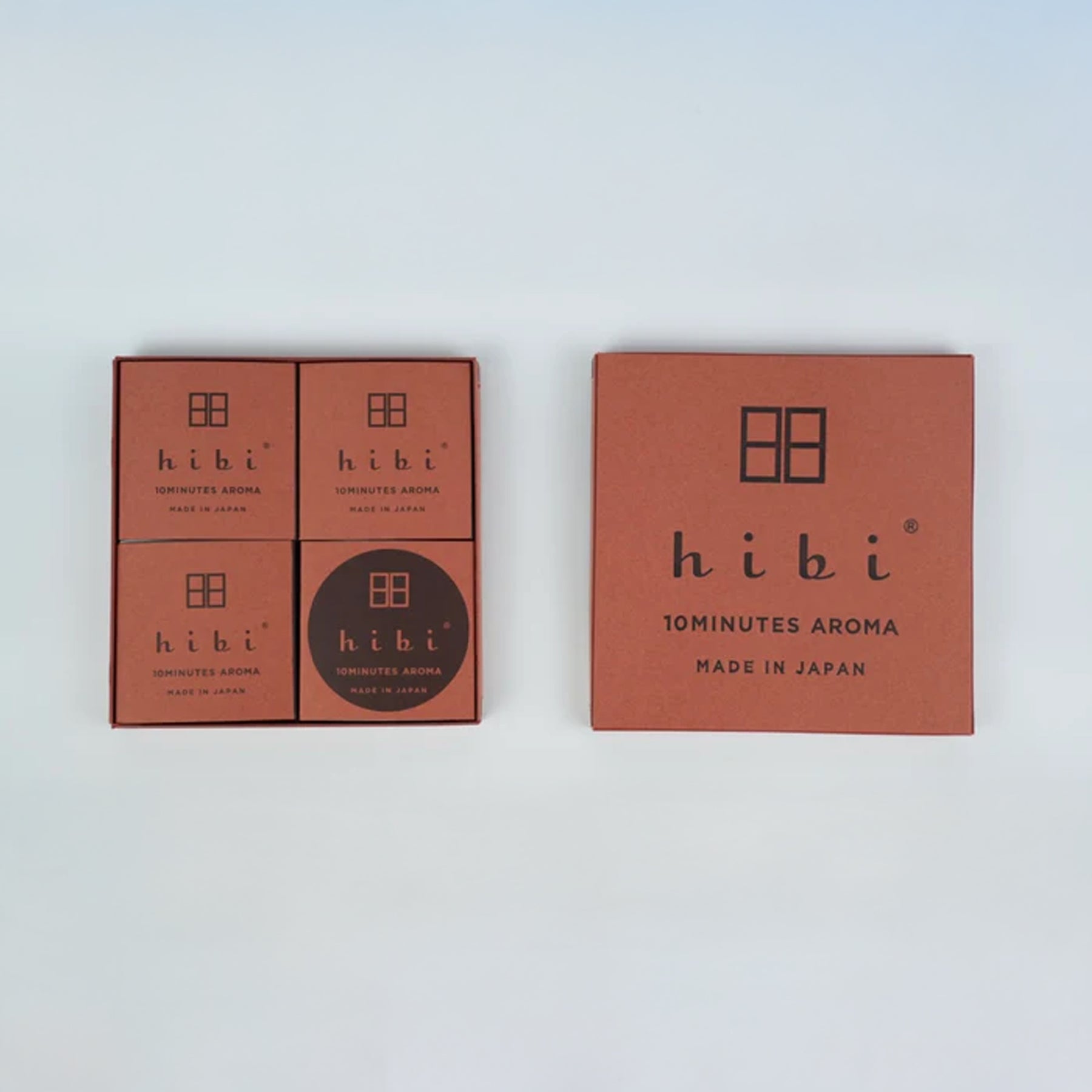
Hibi Match - Gift Box 12 Assorted Fragrances
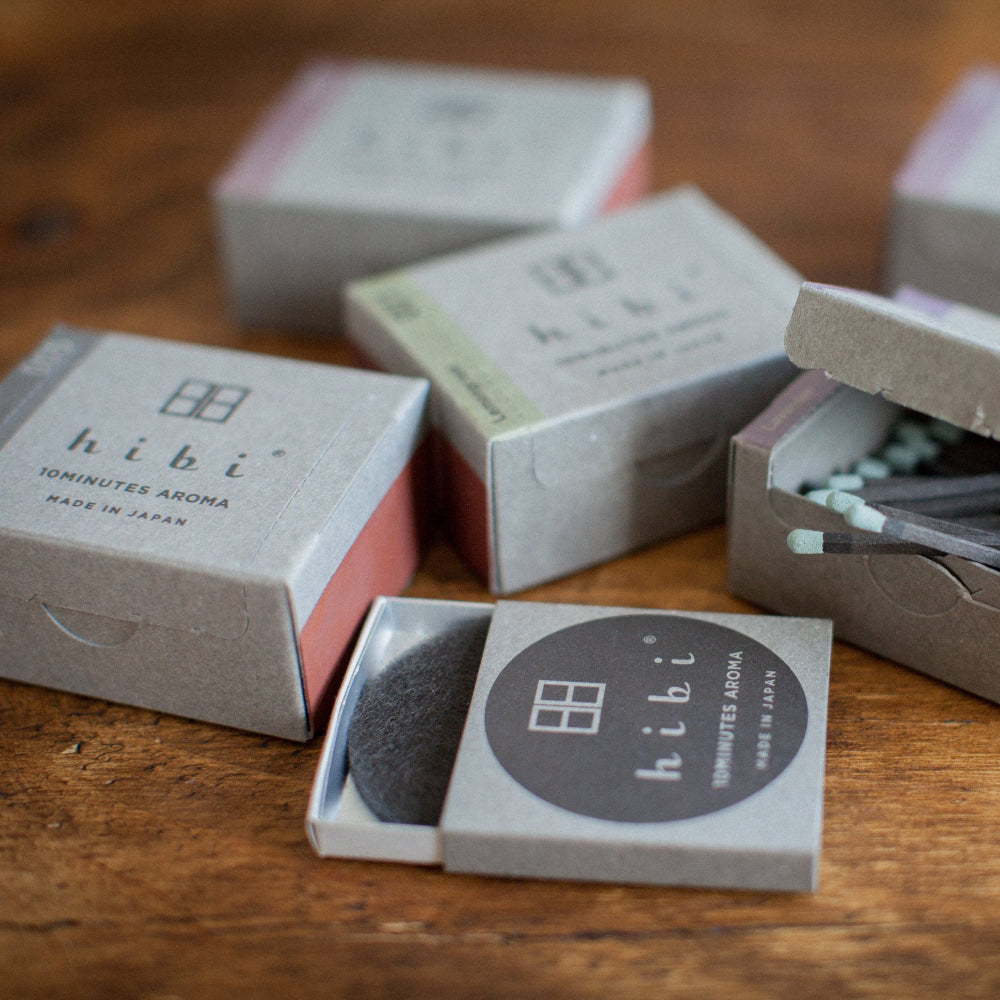
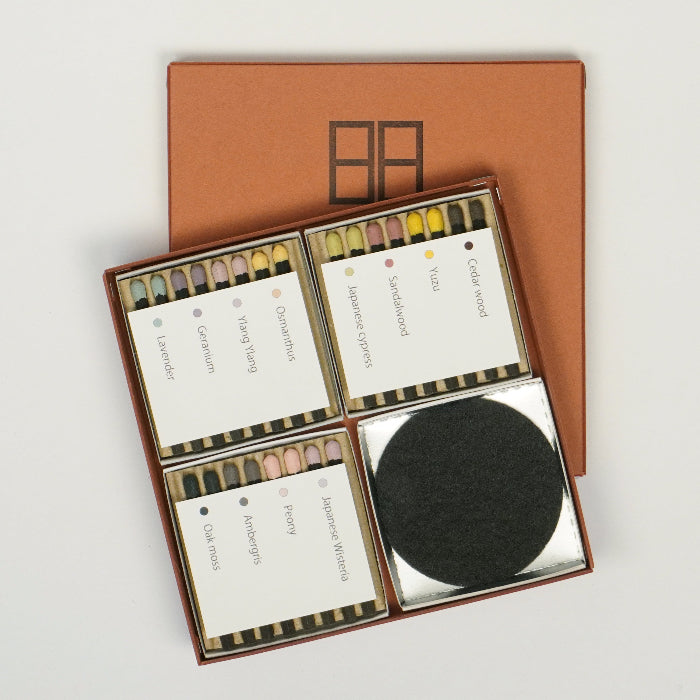
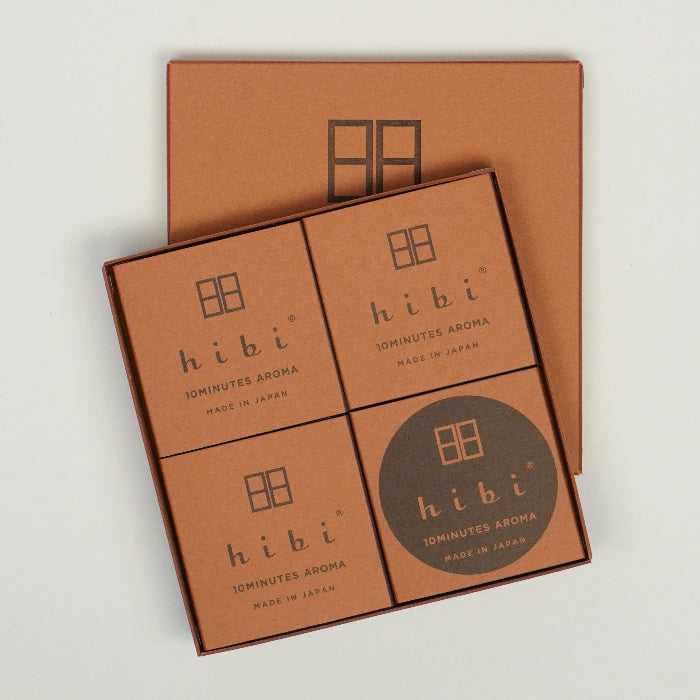
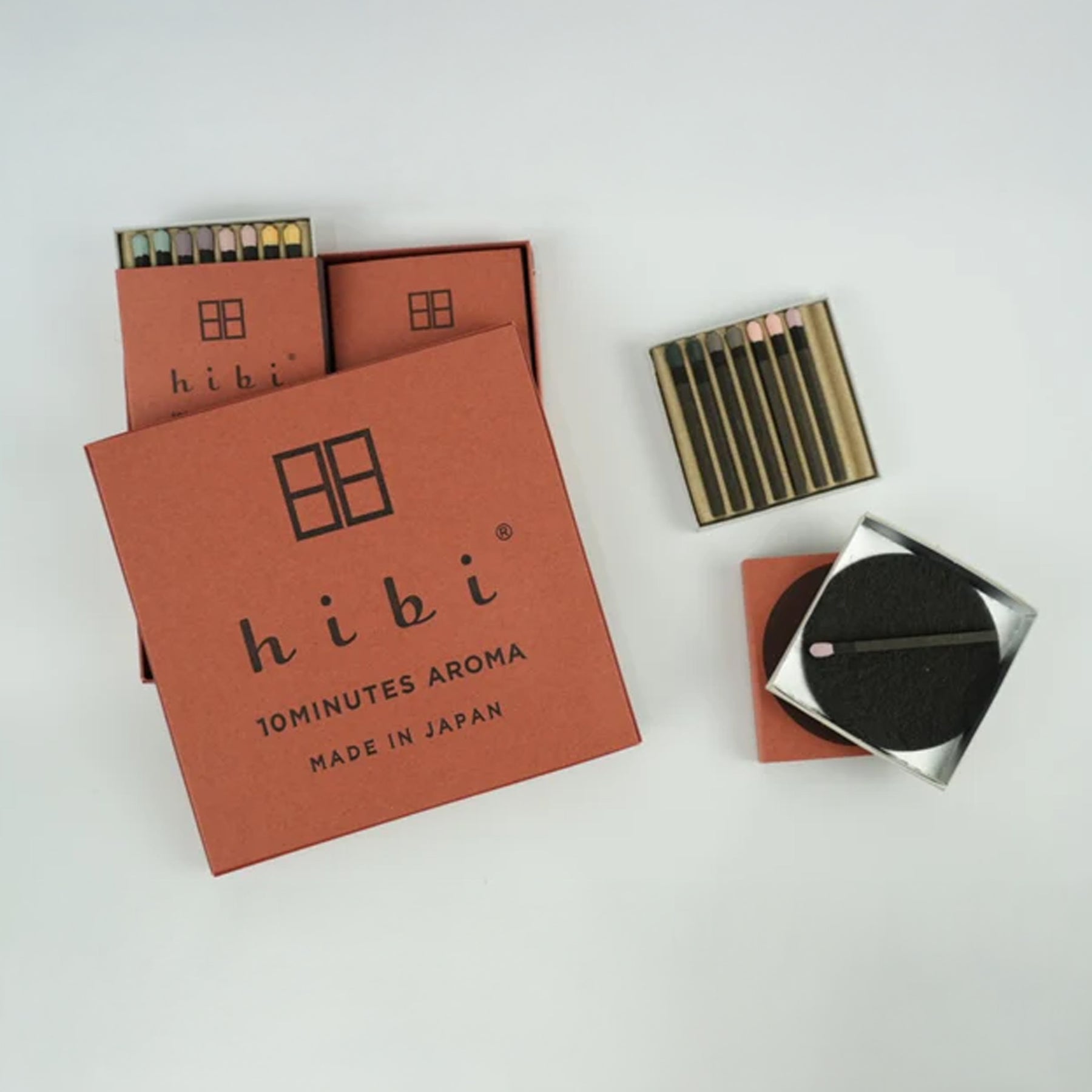
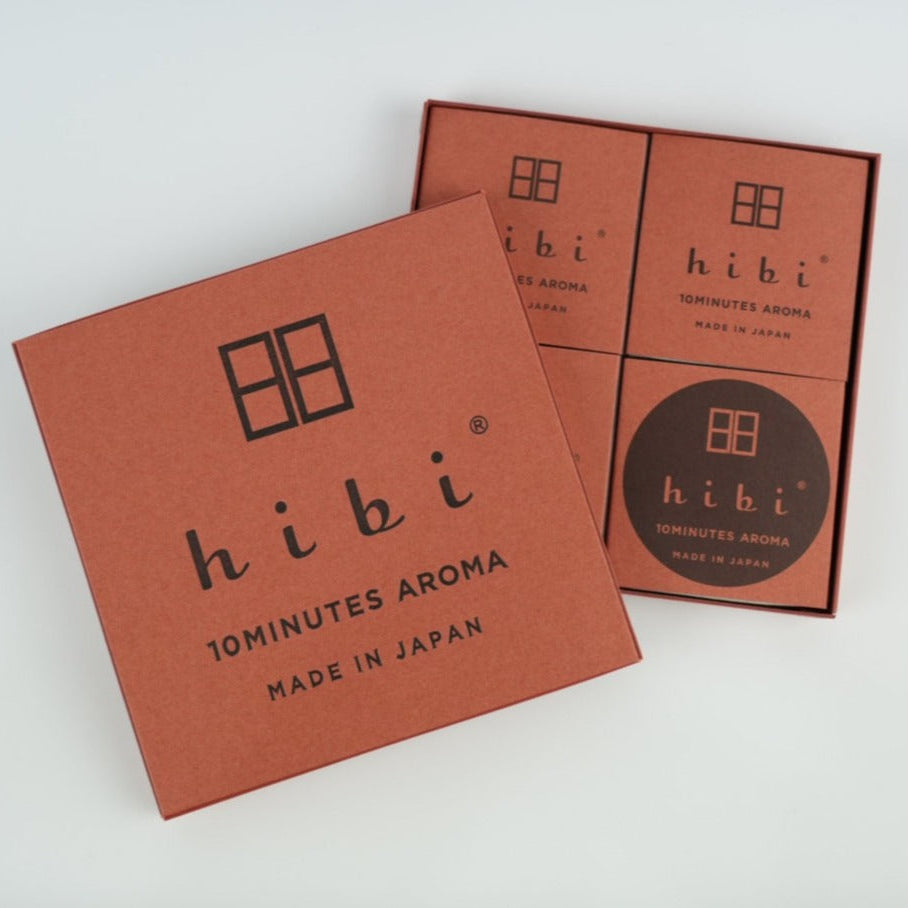
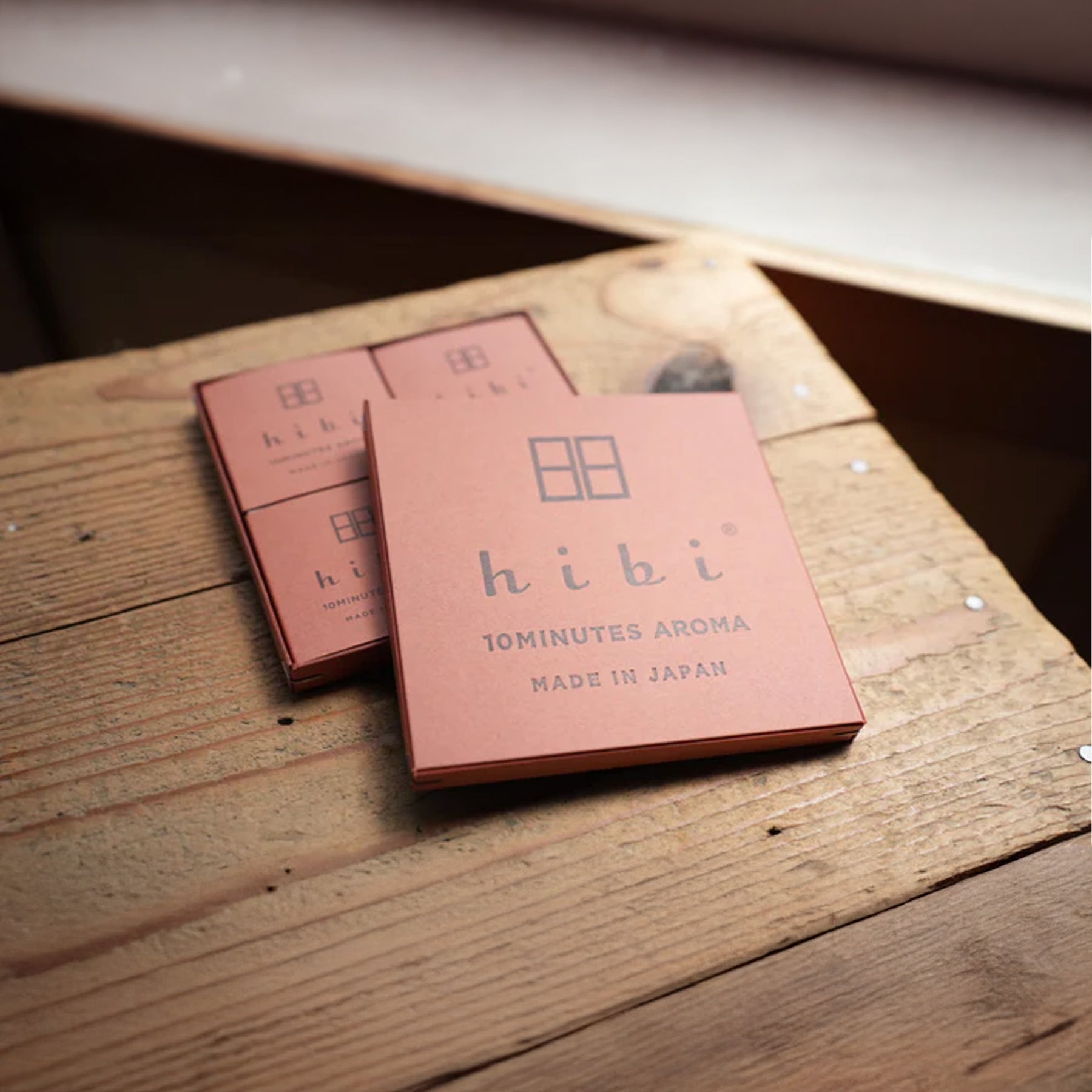
A gift box of 12 assorted fragrances, two matches for each scent. Every match providing a light, refreshing and calming aroma.
Stock Item
Matches of Harima utilizing the techniques coming from Europe, domestic production of matches started at the beginning of the Meiji period. Later, Japanese matches became so popular as export goods, thanks to the quality, that match manufacturing developed as a local industry of Hyogo, including Harima which was blessed with marine transportation facilities. Even today, the region contributes to roughly 70% of the domestic production volume. Incense of Awaji Island Incense manufacturing technique was brought to Awaji Island by craftsmen of Sakai in 1850 during the last days of the Tokugawa shogunate. Thanks to the westerly winds, which are characteristics of the island and ideal for drying incense, Awaji Island has become the biggest incense manufacturer in Japan, responsible for about 70% of the domestic production volume today.
Japanese Cypress (Hinoki)
Dry, woody, clean, and subtly citrusy. • Impression: Serene and grounding; evokes temples, hot springs, and quiet forests in Japan.
Osmanthus
Fruity-floral, like ripe apricot or peach, with honeyed and creamy floral notes. • Impression: Soft, sensual, slightly tea-like; exotic and luxurious.
Lavender
Herbaceous, floral, clean, and slightly powdery. • Impression: Calming, classic, soothing; widely used in aromatherapy and sleep aids.
Ylang Ylang
Exotic floral, intensely sweet, slightly spicy and fruity. • Impression: Sensual, heady, and rich—used in many floral perfumes like Chanel No. 5.
Yuzu
Tangy, fresh citrus, with a hint of floral and green. • Impression: Zesty and uplifting; less sweet than orange, more complex than lemon.
Sandalwood
Creamy, soft wood, with sweet and warm balsamic notes. • Impression: Smooth, meditative, comforting—often used as a base note in perfumes.
Ambergris
Warm, marine, musky, slightly sweet and animalic. • Impression: Rare and luxurious; adds depth and sensuality to fine perfumes.
Oakmoss
Earthy, green, damp, slightly smoky. • Impression: Mysterious, grounding, and classic—common in chypre and fougère fragrances.
Cedar Wood
Dry, woody, pencil-shaving-like, slightly resinous. • Impression: Clean, masculine, and reassuring; often used in colognes.
Japanese Wisteria
Light floral, honeyed, with a soft powdery touch. • Impression: Romantic, delicate, and nostalgic; associated with springtime.
Peony
Lush, fresh floral, slightly rosy and green. • Impression: Cheerful, elegant, and light; often used in spring/summer perfumes.
Geranium
Green, rosy, citrusy with a hint of mint. • Impression: Bright and floral with a leafy freshness; balancing and mood-lifting.
This gift box contains scents:
Japanese Cypress
Osmanthus
Lavender
Ylang Ylang
Yuzu
Sandalwood
Ambergris
Oakmoss
Cedar Wood
Japanese Wysteria
Peony
Geranium
and one burning pad.
Each match has a burn time of approximately 10 minutes.
Overall Dimension: 4.75" L x 4.75" W x .5" H
Made In: Japan
Design by: The incense of Awaji Island and the matches of Harima
Design by: The incense of Awaji Island and the matches of Harima
The incense of Awaji Island and the matches of Harima: These two traditional industries of Hyogo Prefecture first encountered each other in 2011. The collaboration started with the idea of an incense that could be lit like striking a match and was followed by 3 years of trial and error., An aromatic product with properties of strength and fragrance was developed, which did not break even when struck like a match.
Selecting fragrance suitable to the brand of the world view
The selection of a fragrance fitting for the brand’s worldview
The names of products and packaging were developed to convey the sensibility of today’s Japan. All those things were ‘designs’ to create a new way of enjoying fragrance.
The brand name hibi means ‘day to day’, or daily, in Japanese. It was given with the hope that you would keep it around you every day and freely enjoy its fragrance, matching each day’s mood or occasion. The logo’s design combines two of the Chinese character ‘日’ (day) set next to each other.